
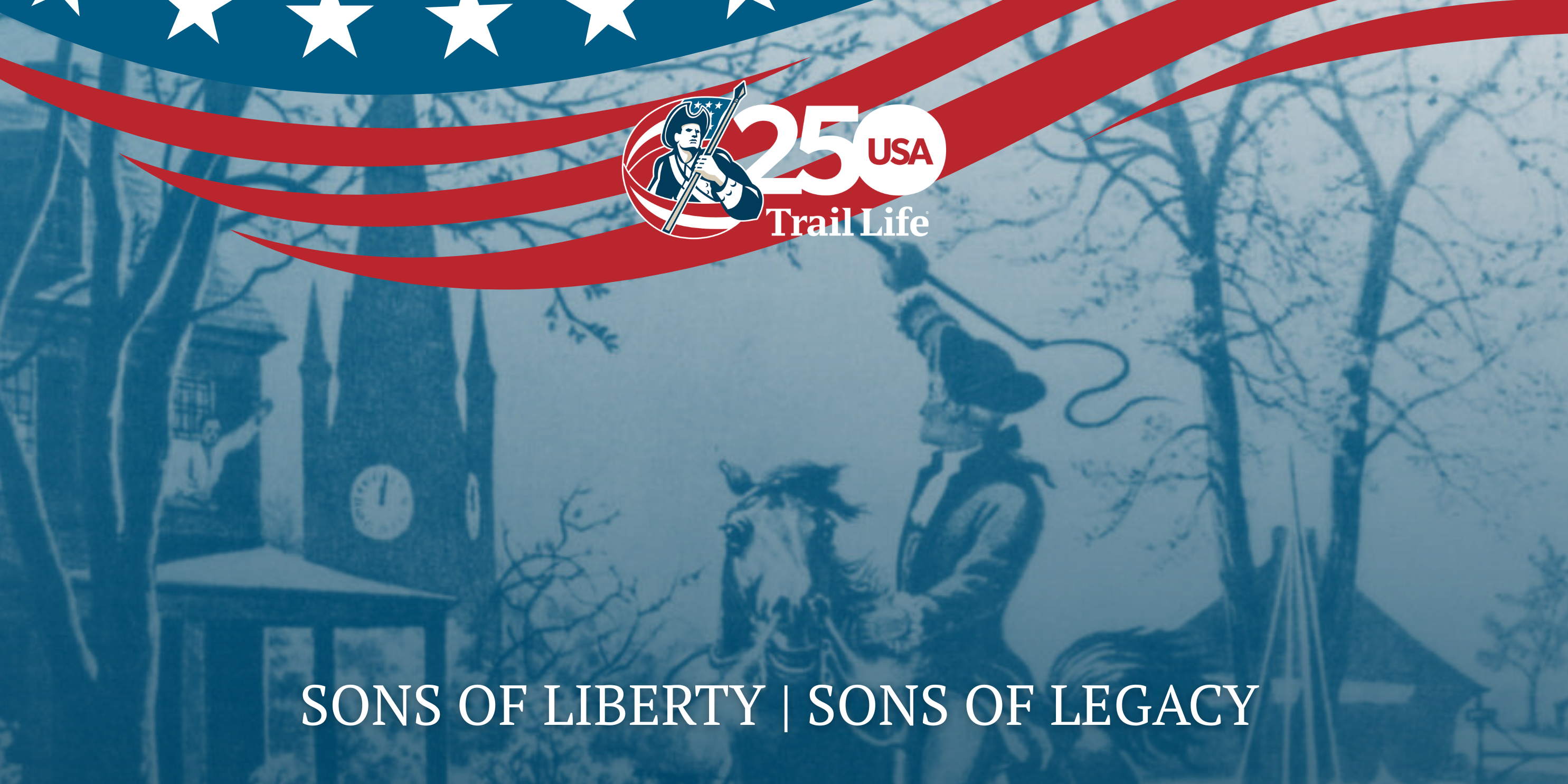
"Listen, my children, and you shall hear
Of the midnight ride of Paul Revere…"
— Henry Wadsworth Longfellow
The Measure of a Man
History remembers the ride.
It remembers the pounding hooves, the lanterns in the Old North Church, and the midnight warning that stirred sleeping towns into action. Longfellow’s poem etched the image into the American imagination: a lone rider cutting through the darkness with a cry of alarm.
But the ride was only the visible moment. A culmination. Long before Paul Revere mounted his horse on April 18, 1775, he had already proven something far more important than courage in a crisis.
He had proven he was kind of man you can depend on.
Forged in Responsibility
Before he ever rode through the night, Revere stood at a workbench in his father’s silversmith shop in Boston. The work was steady and exacting. Silver does not tolerate carelessness. It must be measured carefully, shaped patiently, and finished completely. A flawed piece, after all, bears the mark of its maker. Day after day, the young apprentice learned precision, follow-through, and the quiet discipline of completing what he began.
Then, at nineteen years old, responsibility arrived without warning. His father died, leaving behind a widow and at least 8 young children besides Paul, his eldest.
The shop could not pause for grief. Orders still needed filling. Customers still expected delivery. Income was needed to keep food on the table. In that moment, Paul did not become dependable because he felt brave. He became dependable because he chose to shoulder what had been placed before him. He finished the orders. He kept the customers. He provided for the family.
Day after day.
Paul went on to father sixteen children of his own. Providing for such a household demanded stamina and consistency. A man does not sustain a successful business, a family, and a growing reputation in a bustling colonial city without becoming someone others can count on.
Before he ever rode into legend, Revere was a working man who showed up every day.
He Who is Faithful in a Very Little is Also Faithful in Much
Dependability is rarely dramatic. It is formed in the ordinary days that feel heavy and unnoticed. It grows when a young man shoulders what has been placed before him and refuses to step away.
Years passed. In the months leading up to the outbreak of war against Britain, Revere had already been practicing faithfulness for years. The shop remained steady. His reputation quietly strengthened. In a city thick with tension and rumor, men began to notice who could be trusted. And because he was steady in small matters, he was entrusted with greater ones.
He carried messages quietly between the colonies when such errands could end in prison—or worse. He watched British troop movements and reported what he saw. He rode long miles on lonely roads long before history ever noticed him.
By the time the warning to Lexington and Concord was needed, no one was looking for a reckless volunteer. They were looking for a man whose word could be trusted, whose work had proven reliable, whose nerve had already been tested in smaller ways.
Paul Revere was that man. His fabled ride did not create his character. It revealed it.
Risk and Responsibility
Reliability does not mean playing it safe.
In 1801, at the age of sixty-five — when many men may have chosen to hang up their hat — Revere risked nearly everything he owned to establish a copper rolling mill. The young United States depended heavily on imported sheet copper. Revere believed America could do it herself.
He invested his own money. He borrowed more. He leveraged waterpower from the Neponset River and built the first successful copper rolling mill in North America.
The risk was immense. Failure would have meant financial ruin. But the gamble was not reckless. It was purposeful.
Soon, his mill provided copper sheathing for the Massachusetts State House dome and later for the hull of the USS Constitution. His work strengthened the infrastructure of the young nation he had helped warn into existence decades earlier.
Being dependable does not mean being tame and reserved. Rather, it was Paul’s unflinching instinct to spring into decisive action when duty called that defined his dependability.
The Kind of Men Liberty Requires
When you step back from the legend, what remains is not merely a rider in the night. It is a lifetime of steady hands. A man who showed up when work needed doing. A man who guarded his good name. A man who answered when called.
And perhaps that is the real lesson worth passing on. Around campfires and kitchen tables, boys are watching. They are studying how a man keeps his word. They notice whether he finishes what he begins. Whether he honors commitments when no one applauds. Whether he stands steady when misunderstood.
Dependability rarely makes headlines. But homes are built on it. Churches are sustained by it. Nations endure because of it.
In Trail Life Troops, when a young man is handed a map and told he will lead the patrol through unfamiliar woods, something small but important is happening. His hands may tremble slightly as he checks the compass. The younger boys look to him. He feels the weight of being trusted.
That is where it begins. Not in glory. In responsibility. In day-in and day-out dependability.
Somewhere, in some future hour of need, a man will step forward because he has been practicing steadiness for years. Maybe a famous song or poem about him will follow. Or maybe not. But liberty—at home, in the church, in the nation—will rest quietly on men like that.
It always has.
Find a Troop near you or Learn how to bring Trail Life to your community at TrailLifeUSA.com